

TMJ Treatment in Central Point, OR

Comprehensive TMJ Treatment: Relieving Jaw Pain and Restoring Function

Temporomandibular joint (TMJ) disorders can cause chronic jaw pain, headaches, limited jaw function, and symptoms that significantly affect daily life. At BioSmile Health, we recognize that TMJ disorders are complex conditions that rarely have a single cause. Our comprehensive, biological approach focuses on identifying and addressing the underlying factors contributing to TMJ dysfunction—rather than masking symptoms—so patients can achieve lasting relief and improved function.

To learn whether a comprehensive TMJ evaluation may be appropriate for you, call

 or contact us to request a consultation.

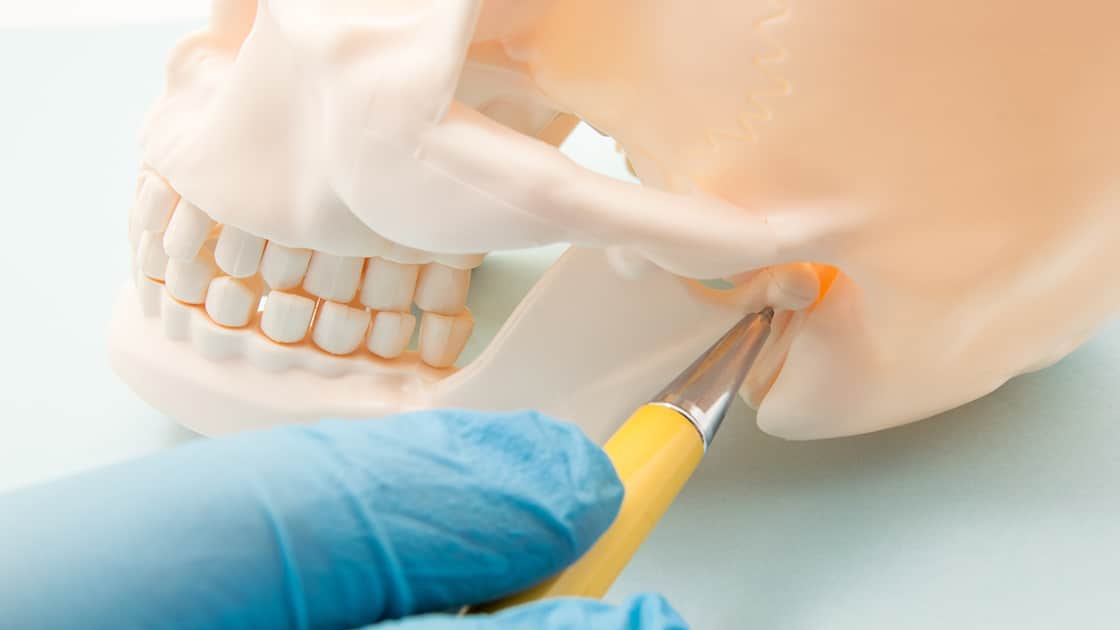
TMJ Disorders - Model of Jaw showing TMJ joint location

Understanding TMJ Disorders

The temporomandibular joints connect your lower jaw to your skull, functioning as hinges that allow you to open and close your mouth, chew, speak, and yawn. These joints are remarkably complex, involving bones, cartilage, muscles, ligaments, and nerves all working in precise coordination. When something goes wrong—misalignment, inflammation, muscle dysfunction, or structural problems—the result is TMJ disorder (often called TMD).

TMJ symptoms can include jaw pain or tenderness, clicking or popping sounds when opening or closing the mouth, difficulty or pain when chewing, locking of the jaw joint, headaches and migraines, ear pain or ringing in the ears, neck and shoulder pain, and facial pain or fatigue. Many people suffer for years without realizing their seemingly unrelated symptoms all stem from TMJ dysfunction.

Cropped logo icon 500.png

Our Comprehensive TMJ Diagnostic Process

Effective TMJ treatment begins with thorough diagnosis. At BioSmile Health, we invest significant time understanding your complete TMJ picture through clinical examination assessing joint mobility, muscle tenderness, jaw tracking, and bite relationships. We use advanced imaging including 3D cone beam CT to visualize joint structure, disc position, and bone changes. We perform bite analysis to identify occlusal issues contributing to TMJ problems.

We assess muscle function and tension patterns in the jaw, head, and neck. We evaluate posture and cervical spine alignment, as these profoundly affect TMJ function. And we take a detailed history of symptoms, triggers, previous treatments, and general health factors that may contribute to TMJ disorder.

This comprehensive evaluation allows us to identify the specific factors causing your TMJ problems. TMJ is rarely a single-cause condition—it typically involves multiple contributing factors that must all be addressed for successful treatment.

Multifaceted TMJ Treatment Approach

At BioSmile Health, we've developed a comprehensive protocol that addresses TMJ dysfunction from multiple angles simultaneously. This integrated approach provides superior outcomes compared to single-treatment modalities.

Occlusal (Bite) Therapy

If bite misalignment contributes to your TMJ problems, we carefully adjust your bite through selective reshaping of teeth, fabrication of precise occlusal splints (bite guards) that position your jaw optimally, and occasionally orthodontic correction to establish proper tooth relationships. Proper bite alignment is foundational—if your teeth don't fit together correctly, TMJ problems persist regardless of other treatments.

Laser Photobiomodulation

Our Fotona laser provides powerful anti-inflammatory and healing effects for TMJ. Regular laser therapy sessions reduce inflammation in the joint capsule, decrease muscle spasm and trigger points, promote healing of damaged joint tissues, and provide significant pain relief. Many patients experience noticeable improvement after just a few laser sessions.

TMJ-Specific Massage Therapy

We utilize specialized intraoral and extraoral massage techniques targeting the muscles of mastication. This therapeutic massage releases trigger points in jaw muscles, improves muscle coordination and function, increases blood flow to promote healing, and provides immediate pain relief. TMJ massage is dramatically different from general massage—it requires specific training in the complex musculature of the jaw and face.

Craniosacral and Osteopathic Manipulation

TMJ function is intimately connected to the bones of the skull, cervical spine, and overall body alignment. We incorporate gentle osteopathic manipulation that releases restrictions in cranial bones, addresses cervical spine alignment issues, improves overall body mechanics affecting the jaw, and balances the nervous system to reduce chronic muscle tension

Ozone Therapy

For TMJ cases involving inflammation or joint degeneration, intra-articular ozone injections can provide remarkable relief. Ozone reduces inflammation, stimulates regeneration of joint tissues, improves circulation to the joint, and provides lasting pain relief. This is a cutting-edge therapy that few practices offer.

Natural Anti-Inflammatory Support

We provide targeted nutritional supplementation, dietary guidance to reduce inflammation, and sometimes IV therapy with high-dose vitamin C and other nutrients that support joint healing and reduce pain naturally without relying on long-term medication.

Addressing Underlying Dental Causes

Sometimes TMJ disorders stem from or are exacerbated by underlying dental problems. Missing teeth that haven't been replaced can cause bite collapse and TMJ strain. Poorly designed crowns, bridges, or dentures may create bite interferences. Root canal-treated or infected teeth sometimes cause referred pain misdiagnosed as TMJ disorder. And metal dental work can create galvanic currents that affect muscle function.

Part of our comprehensive approach involves identifying and correcting these dental contributors. This might include replacing missing teeth with ceramic implants, remaking dental work to establish proper bite relationships, removing sources of infection, or eliminating metal from the mouth. Addressing these factors while simultaneously treating the TMJ itself provides the most complete and lasting relief.

Stress, Sleep, and Lifestyle Factors

TMJ disorders often involve significant behavioral and lifestyle components. Stress and anxiety manifest as jaw clenching and grinding (bruxism), which severely stresses the joints and muscles. Poor sleep quality both results from and contributes to TMJ pain. Posture problems, especially "tech neck" from computer and phone use, place enormous strain on the jaw joints. And dietary habits, caffeine intake, and even breathing patterns can affect TMJ function.

We address these factors through stress management techniques and recommendations, sleep optimization strategies, postural education and exercises, dietary modifications to reduce inflammation, and breathing retraining when appropriate. True TMJ healing requires looking beyond just the jaw itself to how you live your daily life.

Key Benefits of Our TMJ Approach

  • Comprehensive diagnosis - identifying all contributing factors, not just symptoms
  • Multi-modal treatment - addressing TMJ from multiple angles simultaneously
  • Advanced laser therapy - powerful anti-inflammatory and healing effects
  • Specialized TMJ massage - expert intraoral and extraoral techniques
  • Occlusal expertise - proper bite relationships are foundational
  • Natural healing modalities - ozone, PRF, IV therapy, and more
  • Underlying dental corrections - addressing root causes including infections and bite problems
  • Lifestyle integration - stress management, sleep, posture, and dietary support

Frequently Asked Questions

How long does TMJ treatment take?

This varies based on the severity and complexity of your condition. Some patients experience significant relief within a few weeks of starting treatment, while more complex cases may require 3-6 months of comprehensive therapy. We typically begin with an intensive treatment phase (often including twice-weekly laser and massage sessions), then transition to less frequent maintenance once symptoms are controlled.

Will I need surgery for my TMJ disorder?

The vast majority of TMJ patients do NOT need surgery. Conservative, comprehensive treatment successfully resolves most TMJ disorders. Surgery should be considered only after all conservative options have been thoroughly exhausted—and at BioSmile Health, we have many conservative options that other practices don't offer. When surgery is necessary, we refer to specialists who practice minimally invasive biological approaches.

I've tried bite guards before and they didn't help. Will yours be different?

Not all bite guards are created equal. Many dentists fabricate simple flat-plane splints without thoroughly analyzing bite relationships and jaw position. At BioSmile Health, we create precisely calibrated occlusal appliances designed to position your jaw in its optimal neuromuscular position, which often differs significantly from your habitual bite. Combined with laser therapy, massage, and other modalities, properly designed occlusal therapy is highly effective.

Can you treat TMJ if I have had previous jaw surgery?

Yes. We frequently treat patients who have had previous TMJ surgery, including arthrocentesis, arthroscopy, or open joint surgery. These procedures sometimes provide relief, but often underlying issues remain or the surgery itself creates new problems. Our comprehensive biological approach can help optimize function even in post-surgical TMJ joints.

Is TMJ treatment covered by insurance?

Insurance coverage for TMJ treatment varies tremendously by plan. Some procedures like occlusal guards may be covered under dental insurance, while others like laser therapy or specialized massage might be covered under medical insurance as treatment for a medical condition. We'll help you navigate insurance benefits and provide documentation to maximize reimbursement. Many patients find the investment worthwhile even if insurance doesn't cover everything.

Can TMJ cause symptoms beyond jaw pain, like headaches or dizziness?

Absolutely. TMJ disorders can cause an extensive array of symptoms beyond jaw pain, including frequent headaches and migraines, ear pain, ringing in the ears (tinnitus), dizziness or vertigo, neck and shoulder pain, eye pain or pressure, and even numbness or tingling in the face and hands. These symptoms occur due to the intimate neurological and muscular connections between the TMJ, head, neck, and spine. Successfully treating TMJ often resolves these seemingly unrelated symptoms.

If jaw pain, headaches, or TMJ symptoms have persisted despite previous treatment, a more comprehensive evaluation may help uncover contributing factors that have been missed. Our team approaches TMJ treatment thoughtfully, using biological principles and multiple supportive therapies to restore comfort and function.

To learn more or request a consultation at our Central Point, Oregon office, call

 or contact us today.

location
BioSmile Health
547 E Pine St #202
Central Point,
OR
97502
541-727-1442
Logo top
Directions
SOCIAL
Accessibility
 
DESIGN AND CONTENT ©
2013-
2026
BY
DENTALFONE